

 fandom
Interloper is an unfiction ARG series for source nerds. It feels like Interloper was laser-targeted to drive me specifically insane, but it turns out that was true for a lot of people. After three years the first episode has 856k views, and the recently released final episode is a feature-length 1:54 film that earns its runtime.
Couldn’t “solve interloper”
I’ve been obsessing about Interloper since the beginning, and when I saw the finale I knew I had to finish it out properly. But this article is my third attempt to write something about Interloper, after spending several weeks just doing research.
My first instinct after seeing the finale was to “solve” it. There was an enormous amount of information available that was all interconnected and painted a picture of this huge, fascinating world. Interloper F didn’t answer all the questions the series asked, but surely with all the clues it gave us, someone who really understood the series would put the pieces together. Surely I could, if I gave it some time and attention.
But that didn’t work.
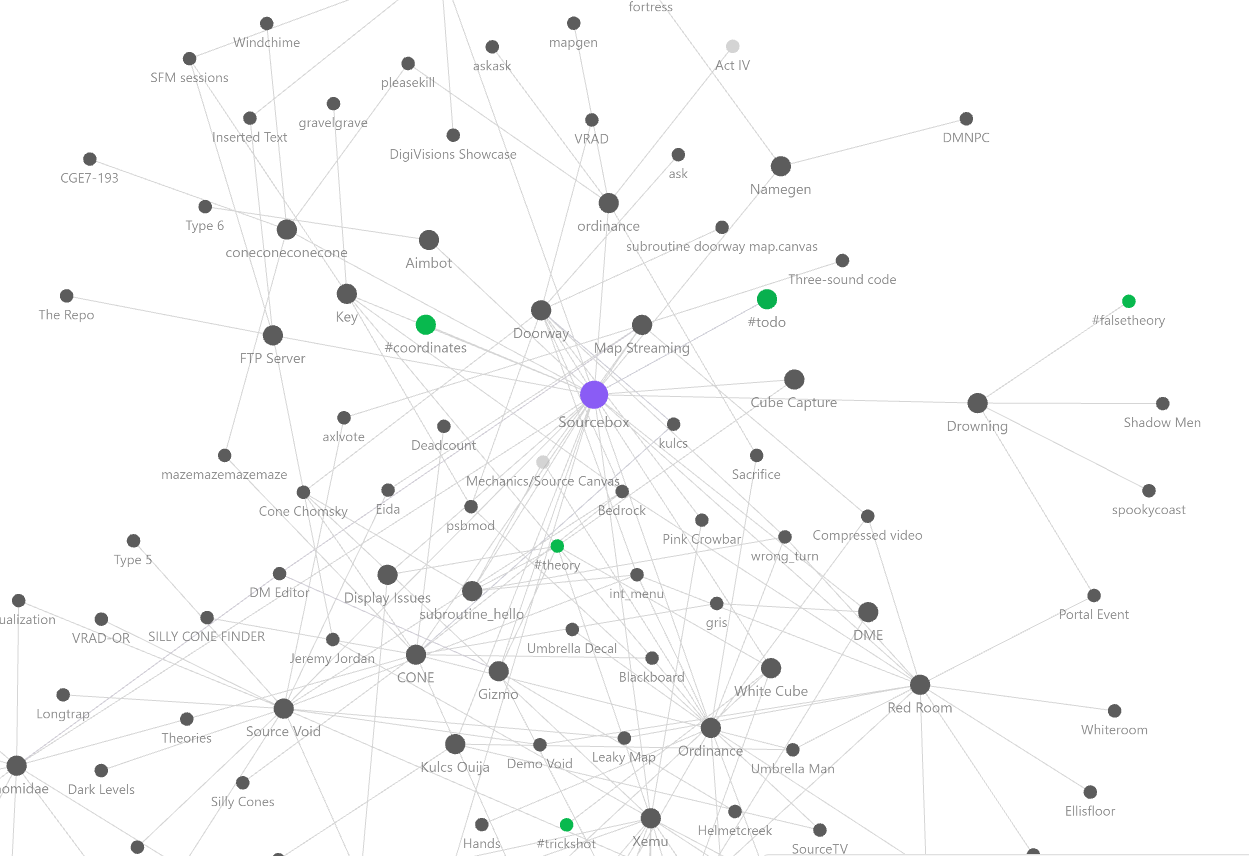
I have a 40,000 word red strings board. I have thousands of connections that map out, in excruciating detail, how every entity, concept, and pattern in the series relate to each other. I’ve pushed my mind-mapping software to the limits of its usefulness.
Do you want to know what all Sourcebox relates to and how? I know the answer to that question; the answer is “no”.
I just threw away 1,000 words of prose on the SFM 10th anniversary teaser alone. Did you know about all this cool secret data hidden in a meaningful, structured format? If you did you sure didn’t document it, because I had to learn SFM myself to see it.
I have a page of “contradictions” that don’t reveal any secrets but instead add up to a miserable Cinemasins-style nitpick.
- If we think of these videos as real YouTube videos published to a channel, that means someone has final cut. I tried to work this out, and it’s nonsense. There is no changeover period where an account that was run by one party is now run by another.
- Demos can’t just be recordings of memories because Eida was actively generating them on maps he submitted live. They have to be generated dynamically. But demos can’t be generated dynamically because demos can be records of real gameplay sessions and the Interlope command can return the same demo multiple times. They have to be pulling from a repository of recordings.
- Demos are labeled with a commit message in the format
09-09-13, but that isn’t a date, except for Type 7s when it’sTODAYand it is.
- Demos are labeled with a commit message in the format
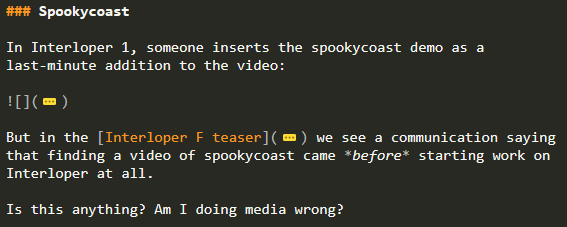
I wanted to come up with a grand comprehensive theory that puts everything in the series into one self-consistent model. But I couldn’t, not to my own satisfaction. The analytical lenses I am drawn to don’t really capture what needs to be captured about Interloper. After all that, I’m left in the same position as the character Anomidae himself; trying to figure how to explain an immense, fascinating thing you don’t fully understand, because no matter what you do the pieces don’t fit. And even without the perfect solution, it might be time to move on.
But that gives me the answer. I know exactly what I’m not capturing already, because I know I’m not capturing it. I know everything there is to know because I know what I don’t know. All I need to show is what I’m missing.
Showcase of Source engine practical effects
But before that, let me explain why I’m so interested in this series in the first place, because it stands out as incredible even among the best unfiction projects. It’s very easy to miss how cool this is if you aren’t already intimately familiar with the Source ecosystem, and as a result I think a lot of it goes over peoples’ heads, which is a tragedy.
Technical showcase, practical effects
See, what’s incredible is how much of it is real. It’s not just horror, it’s also a showcase of technical feats. Anomidae is able to craft phenomenally engaging fiction while keeping large parts of it grounded in what’s technically possible. It’s not just theoretically nonfiction, it’s reproducible at home. And not just reproducible if you download some new game Anomi made for the story, reproducible with a wide array of commercial games that weren’t designed to do any of this, and which Anomi had no special access to.
I’ve seen a lot of reactions to the series by people who aren’t already source fans, and invariably they aren’t able to spot the seam where the fiction meets the real tech. It’s easy to see that TF2 is real and Skycrash is not, but people end up assuming demos or cubemaps or Boxrocket were invented for this too, and they weren’t. The Source Sample Tool is real and I’m running it. It all goes to show how masterfully all these details are designed and presented as expressions and extensions of reality.
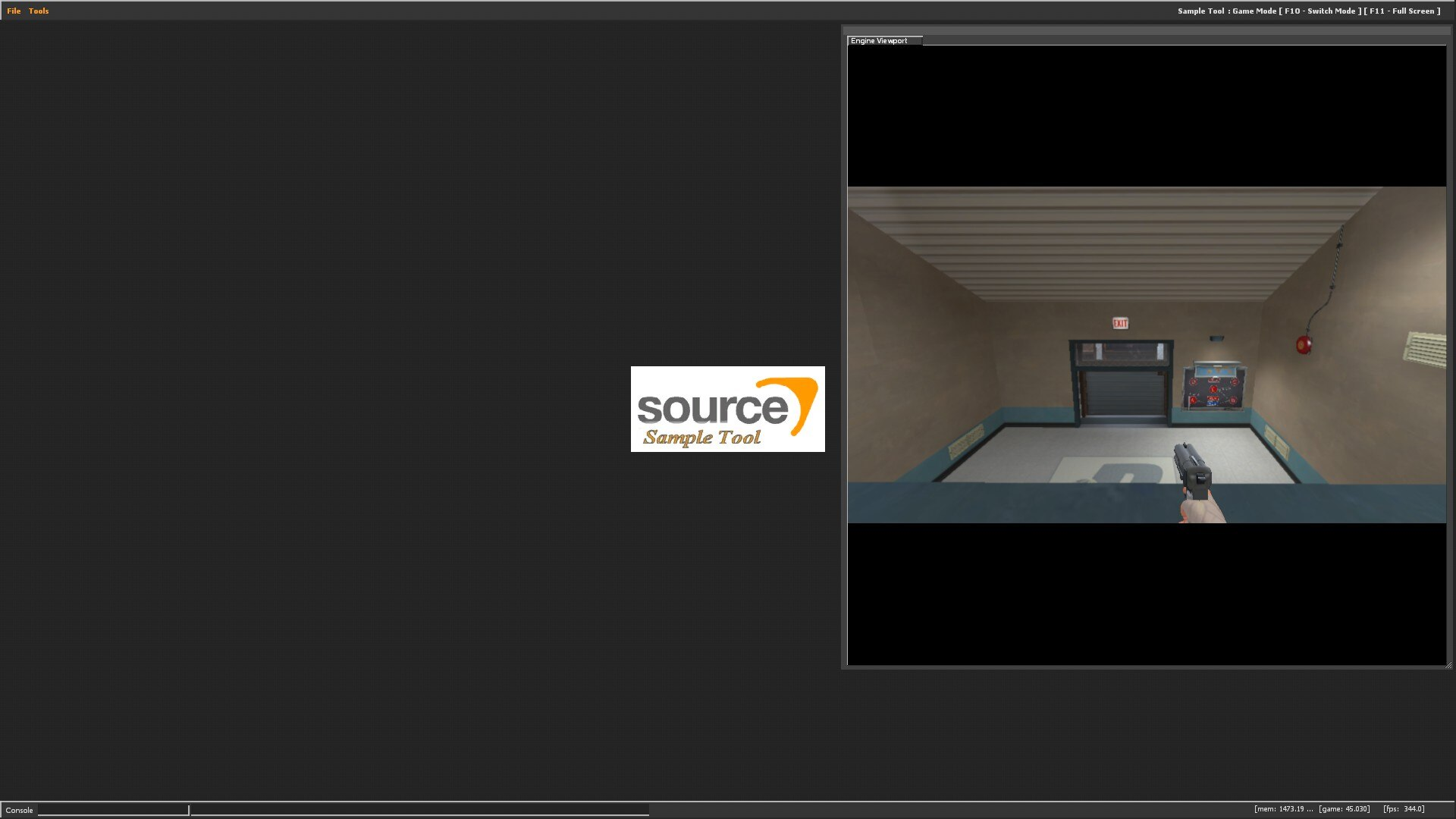
It’s like comparing CGI to practical effects. It’s still fiction and still depends on an elaborate contrivance to make look believable, but at the end of the day a lot of what happens was actually done. He didn’t just say this was happening in source; he made it happen in source.
This plays really well into the “scientific supernatural” story: these unusual, anomalous things can be concrete and examinable while still being bizarre and mysterious.
Even within the fiction of the series, Anomi showed almost all his work. Much more than he had to for fiction or puzzle purposes. And even if he still insisted on making something you could download and experiment, he could have done that by making a sourcemod with some extras in the engine code. He didn’t. Everything is done by stretching familiar tools as far as they’ll go.
The demo files — even many of the Type 5 demos — are real and replayable. The maps and demos can actually be examined. The SFM sessions are real. Kulcs and Ordinance both happened, with one side orchestrated but the other side fully exposed to the real world the whole time.
In Interloper 7 Anomi creates a narrative reason to invent a working pinhole camera using light baking tech from 2004, and then really does it. Is there a use case for this outside this contrived story? Not really, no. The story creates the framework needed to show off this interesting technical demonstration in a way that’s not just a fun tech demo but is narratively satisfying. And even that fits within the fiction of the world: within the kayfabe, all this is being done for the purpose of research.
Using familiar space
Source really is a special choice. It’s a family of games that — as the series points out — people feel deep, genuine nostalgia for. And that special but familiar space was used as the staging ground for everything.
Almost everything not explicitly supernatural was just a slight reframing of esoteric mechanics that really have been sitting around on all of our computers since 2004. The series doesn’t just show supernatural events that shouldn’t be possible on screen, it lets you see the whole trick for yourself, and it works.
It’s not a puzzle, it’s horror and presentation
It really is horror
But why haven’t I solved the puzzle? The basic answer is that Interloper isn’t a puzzle; it’s horror.
Interloper was a Halloween special published on October 25 with the description “Happy Halloween!”. The thumbnail is a spooky shadow man with glowing white eyes. You find the decal in a spooky dark alleyway in Ravenholm and then one jumps out and gets you. Interloper is thoroughly a horror series, to the point where it seems silly to try to prove it, except for how straight and scientifically Anomidae’s character plays it. But the series is, ultimately, horror. It’s at times fascinating, majestic, even epic. (I’ve watched too much Interloper and now when I watch the trickshot1 I cry real tears.) But all of that is in service of a ghost story.

There is incredible attention to detail everywhere in the series, and at certain points there are puzzles that you use details to solve, so it’s very tempting to understand the series as being about detail. You could try to understand the series as the thing it purports to be: incrementally discovering more and more about a coherent truth. And if the series is fundamentally about revealing a mystery, you can rely on conservation of detail and linguistic relevance: understand every move as being a carefully calculated form of communication, procedurally revealing details towards the solution. But this mode of analysis ultimately fails. The series isn’t detailed because it’s meant to be a puzzle, it’s detailed because it’s great.
It’s not primarily a puzzle
Interloper’s first priority isn’t to be a perfectly satisfying puzzle. It comes back at this metaphor a few times: interesting pieces that don’t really connect to each other and don’t build a cohesive picture. Even when two pieces seem to align with each other, it’s not part of a clearly defined picture.
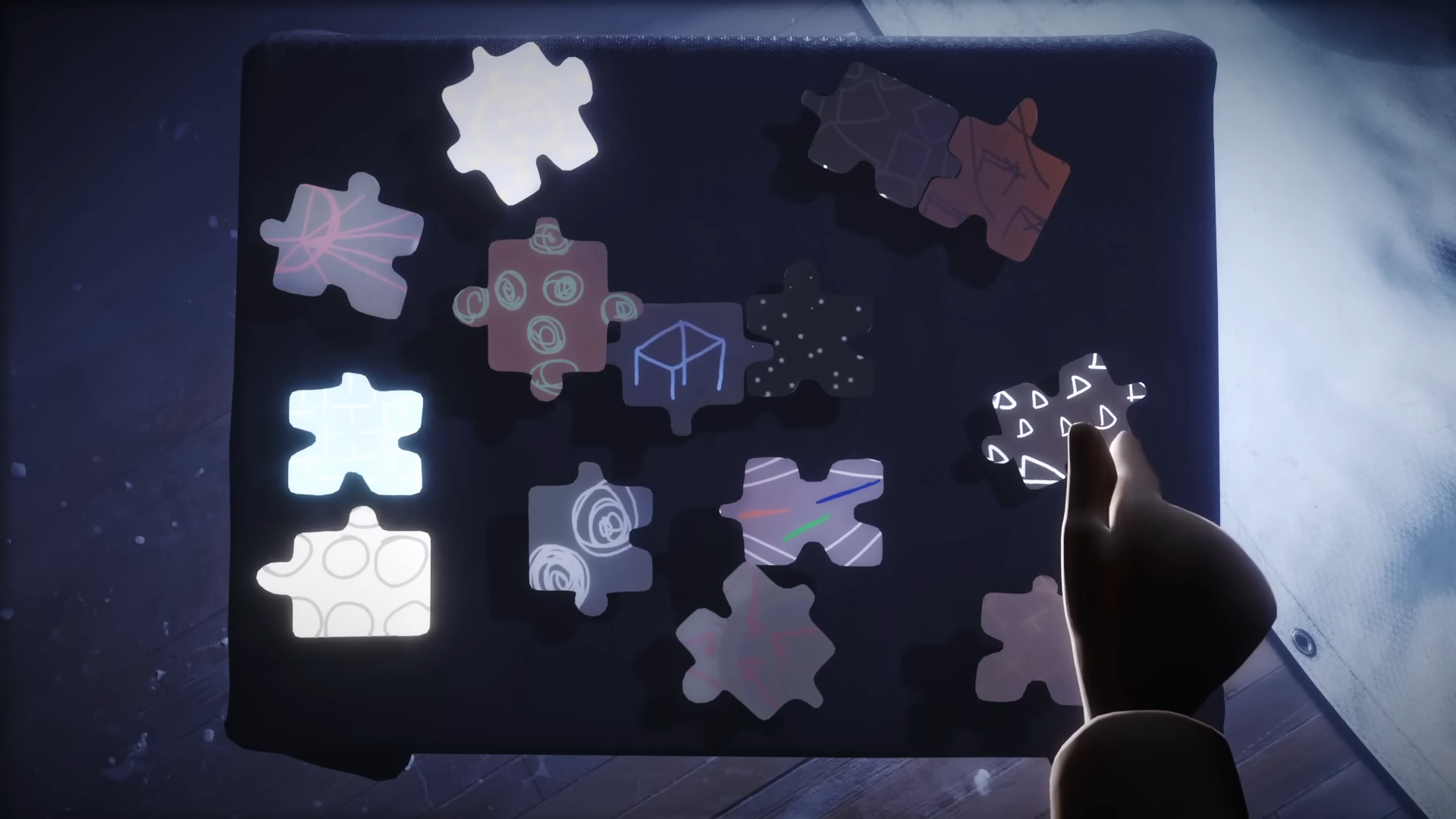
Interloper F …Honestly? At this point I just don’t even know. Like yeah, we have a lot of pieces here now, a lot of things we can put together, but again, the full picture here just doesn’t make sense, and there’s just no way, realistically, to connect all of this together
The primary driver of the narrative is presentation and spectacle. Interloper is a series but it is also 142 different stories. The primary focus isn’t on making every piece ultimately build one cohesive picture, it’s how cool and interesting each piece is and how fun it is that they connect at all. In a puzzle each piece is subordinate; it’s a means to a larger, pre-determined end. But that isn’t how this series works. Big moves are done for awe and aura purposes, and so the universe behind them is not perfectly consistent.
It’s not inconsistent in significant ways that break the consistency of the universe. What’s broken is the conservation of narrative detail: we’re not given all the pieces and the pieces we do have don’t all fit together. There are enough tweaks and shifts in direction here and there that you can’t trust every minor detail as intentional communication.
I’m not saying this was “by design” per se. I don’t know that the intent was always to make sure the pieces didn’t fit cleanly together. I think this is just a natural consequence of focusing on the best parts of the series: the presentation, the spectacle, and the unfathomable mystery of it all. And I’m sure some shifts are the results of rewrites, since the story wasn’t fully written out from the beginning. But I don’t think that’s a major problem here.
Anomidae has a paywalled post on Discord titled “The Importance of “Realistic Consistency”. I won’t quote it here directly, but his general perspective is, I think, compatible with I’m describing here: the events fit within the world. Even in supernatural fiction, for a universe to be believable it needs to have an internal set of rules. It’s important that nothing break the rules, but at the same time the stories aren’t the deterministic product of the rules of the universe. The stories are fit within the universe.
This means some themes are one-off appearances and others end up getting retooled to serve a different purpose later.
For example, does the white slide at the end of Interloper 1 mean that section is authored by someone else? It’s an early iteration of the white slides used by Project Skybox which will signify a different narrator later in the series. A strictly literal reading says this implies that PSB’s involvement wasn’t just early as INT1, they were actually the ones uploading the videos the whole time. But this doesn’t make sense without really foundational shifts in how we understand the series.
If it were all designed to be a perfect puzzle, this would be asking the viewer to completely disrupt the way they understand the series. Using different design languages is a vehicle to communicate information to the viewer, and later reveals could reveal who was talking when in order to fill in missing pieces, etc.
But I don’t think that’s the point here. The white slide is used in INT1 to emphasize the “quick edit” nature of the cut, but that design language gets retooled later to serve a different semantic purpose. The “differentness” of the white slides migrates to implying a separate author. It doesn’t “break” anything to do this, obviously: it’s entirely possible for Anomi to use whatever colors he wants. It’s just a narrative inefficiency for the series as a whole.
The meaning is in connections as language
Interloper isn’t a puzzle first and foremost, but that doesn’t mean the pieces of the story are disconnected or that connections are meaningless when they appear. The connections between pieces show narrative and thematic relationships. They are their own language and tell a rich story that greatly supplements the in-universe narration. The obtuse interrelations between mechanics form a language that describe an intensely interrelated world. And that’s the story!
Interloper invites you to chew on implications without necessarily making those critical to the narrative. It allows for a lot of big gasps without locking any narrative pieces into a system that can be understood. There’s a lot that adds narrative depth but isn’t required to understand the skeleton of the plot. This makes it resist mechanical analysis but reward thematic analysis. The beauty of the thing is in the language it uses; the connections are designed to recontextualize moments with narrative and thematic implications, even if those implications aren’t literally transitive. It’s not lock-and-key puzzles, it’s fridge horror. And I think understanding it isn’t so much understanding how exactly every mechanism in this world works as much as understanding the depth of the language it uses.
This mode of analysis is parallel to some writing I’m planning to do on Wham City. There is an impressionistic aspect to the work; the meaning is found more in the experience than in a literal truth of the world. The Ring isn’t “about” Samara being the human reincarnation of a sea demon, it’s about seeing the fly move.
Short connections
Let’s try to apply this logic to a simple question: who is Olive?
- “makeface demo” shows a photo of a real human woman named
olive.vtf, in Valve texture format. - Correcting the record shows Mona answer that their name is Olive.
⏺LIVEis the thumbnail of Interloper 4.- The umbrella man’s model (in higuy) is
ent_dmnpc_65ge-se, with a mesh namedolive.smd, with a texture namedcorpse1. - During Ordinance, when a VUL sacrifice is made with the name “olive”, the bot name becomes
SERVICE MANAGER.
People try to flatten this all down into one unified identity; “olive.smd proves Mona was an umbrella man!” is an extremely common theory.
But if you really try to flatten all these points together it doesn’t make sense:
Olive was a person involved with FSKY who then somehow became trapped as an ethereal entity in the source engine. She was captured by Eida who treated her as some kind of ghost, She tried to escape and Eida managed to tear off her limbs by using Sourcebox in conjunction with the DM Editor and the gmod dismemberment addon until she didn’t move anymore. Eida then drowned-deleted Mona outright using the DM Editor. Years later she still exists as an Umbrella Man, despite never having any of the behavior or abilities of an umbrella man prior to being deleted. She’s also the bust, so she’s also chilling at void bedrock waiting for Skyghost to kick off Kulcs.
Anomidae somehow knew some or all of this as early as Interloper 4, despite that stream happening before the model had been extracted or any of the relevant Eida videos had been reuploaded.
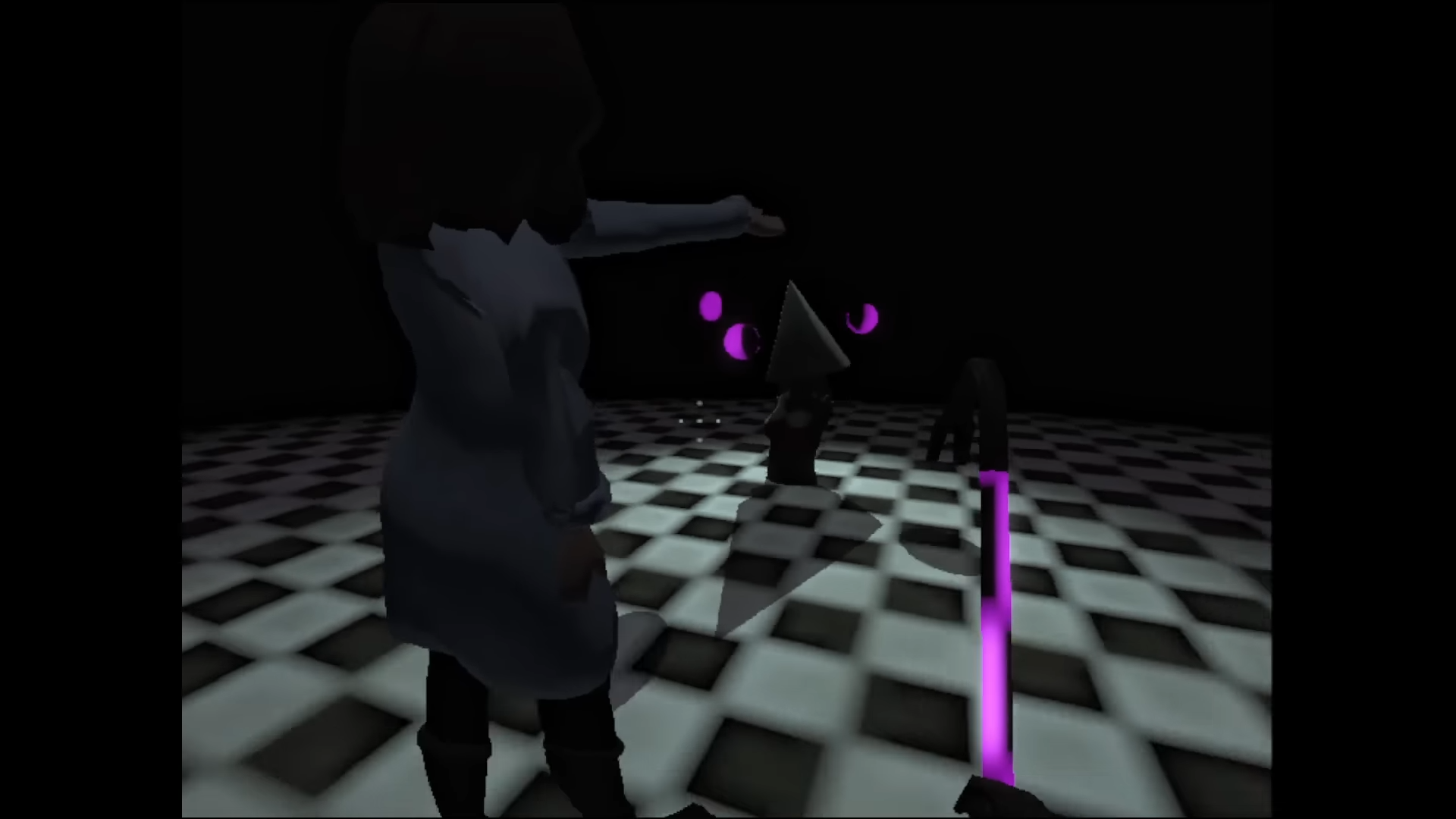
Maybe, maybe all of that’s true at once. But that’d create more complexity than it solves. That’d mean this is a story about real people, not AI. It’d also transitively imply drown-deleting turns dmnpcs into umbrella men, which transitively implies Cge7-193 is an umbrella man while being a server… the more links in the chain, the weaker it gets.
If you instead back up and just listen to what the references are trying to tell you, you can hear the music of the thing. Olive was someone involved with FSKY while they were developing Source tech. FSKY’s tech is connected to both Mona and the umbrella men. And that FSKY connection extends all the way to Cge7-193, where some logic still exists to treat Olive as a special administrative role. Meanwhile, as with the “Special Presentation” slide, Anomi is hinting that he knows more than he’s letting on, and is keeping some secrets about the investigation to himself.
This mode of analysis gives fewer concrete facts about the world, but I think it’s a much more faithful way of understanding it. Because of the focus on presentation, the flow of the thing is more important than every follow-on implication. These “short connections” are where the series shines. References are used to show an almost aesthetic flow of meaning and movement.
Examples: read for flow, not puzzles
I’ll list some more examples where a literal interpretation fails but the flow-language works. This is also my excuse to turn a bunch of scattered and interesting connections into prose. This is really subject matter that calls for a video essay going rapid-fire through clips, not a Buzzfeed-style article with a few words between a flood of screenshots. But video is not my métier d’art, so here are some interesting examples:
The Ravenholm alley is thematically treated as a link between the source void and the other world, even though there’s no single mechanic that explains it. Like all the other FSKY assets with injected text, the umbrella man decal appears to be a hotloaded asset streamed in from an external server, something Anomi much later goes out of his way to explain is possible. Much later Ordinance ends with the pawn using a key to open a secret door in that spot in the alleyway. It even requires a key to open, tying it to the idea of Sourcebox activation being a back door into the void.
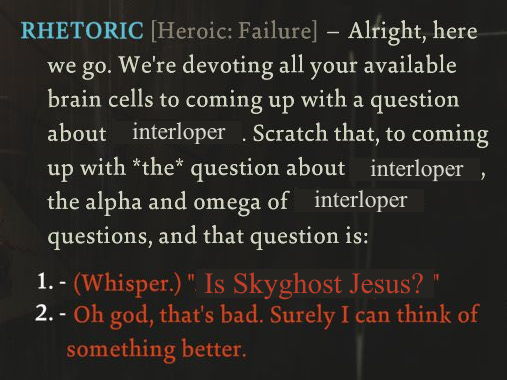
There’s a recurring theme of “shadow people”: black figures with glowing white eyes. This includes the umbrella man, of course, but also the shambling figures from spookycoast, “NOBODY” the chair man from the SFM 10th video, ent_undef from officehead, and potentially even Mona (as the bust).
Is this a clue? No, it’s just communication. These things all have a common anomalous nature. The visual design is semiotics.
Is there literally an alternate version of d1_town_01 in the void caused by someone at FSKY recompiling it with modified map geometry? Is there literally a source entity to handle the lock-and-key effect in some secret FSKY FGD manifest? I mean, maybe, sure, but that’s not something you could confidently base any other theory on because it doesn’t matter.
Instead, that spot is thematic language to invoke the idea of the seam between worlds throughout the series. The decal — and the Interlope command itself — is dependent on the external state of a server. And the Ravenholm connection culminates in Final Transmission to dramatic effect.
What exactly is the purpose of the drawing program in Ordinance? Within the kayfabe it’s unclear. But to the flow of the narrative, it foreshadows a series of themes about rendering user-generated graphics, and then sprays turn out to be the key to streaming memories from the captured interloper. Being able to draw a texture onto the Ravenholm alleyway from within the void also reinforces the earlier point that the umbrella man decal is streamed in dynamically from outside and not part of the retail game.
I already mentioned the design language in the black and white slides. Once you’ve noticed the different video editing techniques and templates you can see which videos are polished and which are released with sloppy cuts. Interlopers 5 and F in particular don’t make sense no matter how you slice them: there’s a combination of material that no single person within the fiction would choose to edit upload as-is.
It doesn’t work if you try to “solve” who is editing the videos and why, but it does work if you look for the meaning the language is meant to convey. The mix of design languages shows how different voices and perspectives are tackling the situation in different ways. The editing in 5 conveys a hecticness and the editing in F conveys a tension.
Here I think we run into a constraint of the medium. The actual material in the videos is nonliteral, in a way, because things like Interloper F don’t make sense as artifacts that would exist within the text. The literality of the unfiction breaks down in order to convey more of the meaning of the story.
How exactly does Anomi get an umbrella swep in XEMU2 and what does it do? That’s not the point, the point is the shift in power dynamics. Anomi is the scary mysterious figure now. Anomi is the threat. In Interloper F we see Anomi is scared, and guilty, and desperate to protect the memories he’s found preserved. But in traveling to the coast and nuking the entity that he discovered was for sending out the hostile void probes, he attacks Skyghost: an innocent who only ever worked to help him. In trying to do what he thought was right, Anomi becomes someone else’s villain. That’s the story, and it’s not something we ever have narrated to us. We only get it by mining the subtext.
subroutine_hello is a door with two sides, and you can trace how — generally — the source void is on one side and normal source games are on the other. The further you map it out the less literally it works, eventually landing on the door from the end of Skycrash as being on both sides: opening the xemu connection from one side and kulcs on the other. But there is a symbolic intent behind it.
After Kulcs you can inspect the bizarre presence of the unused info_player_counterterrorist, info_player_allies, info_player_axis, and info_player_start entities in subroutine_hello and realize these maps were designed to allow many different incompatible source games to connect to them, just like int_menu. One server can’t really host all those different runtimes on the same map, but the entities signal that within the fiction of the world, that’s what’s meant to be happening.
If you look through the demo files and think through the timelines you can track how ent_dmnpc_anomi4e_UNREGISTERED seems to be the same entity that moves into Skyghost. This shows how she “came from the demos” but doesn’t necessarily mean her true name is anomi4e_UNREGISTERED or that her origin is literally an unregistered Sourcebox instance.
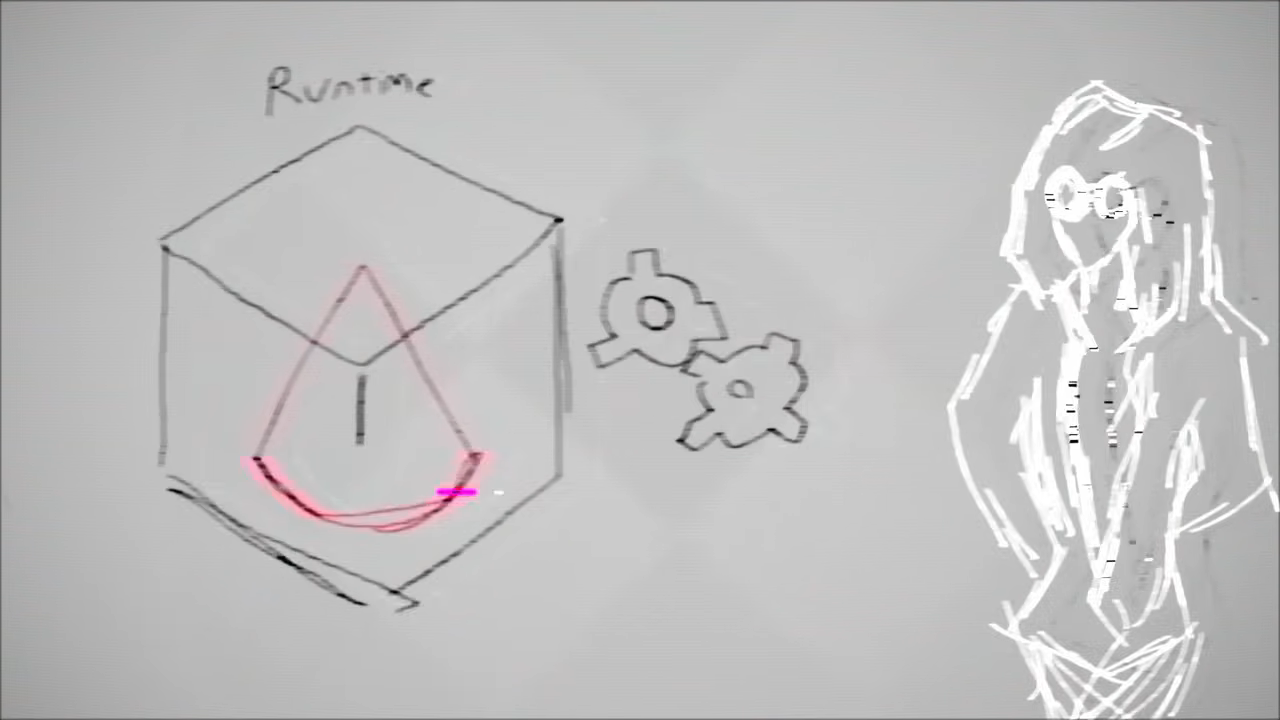
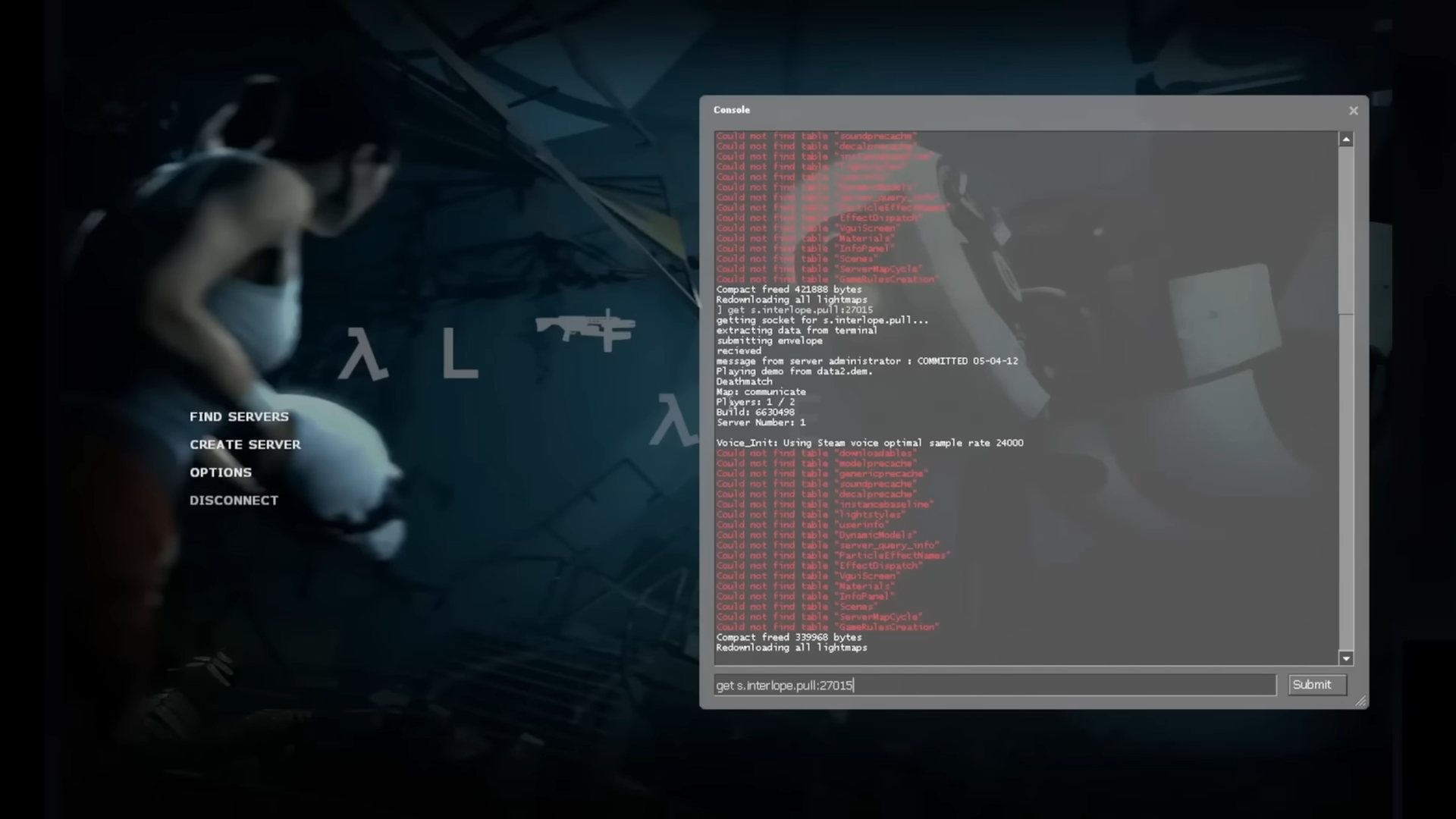
There’s an entire compressed video streaming mechanic teased as early as Interloper 4 that goes unexplained and uncommented on. The community sometimes calls this the “pixel shader”: it’s not pixels though, it’s MPEG compressed video at a variable bitrate and a distinct “render/derender” screen scrolling effect. It shows up as early as the wrong turn incident in INT4 as the pawn crosses the threshold and, eventually, renders a bitmap memory.
If you watch for it you see it the Spise tests, as a way to access some kind of “interior view” into the void. Spise 2 shows using an inside-out Sourcebox cube to see new locations in the void, Spise 4 takes place entirely within a render, and Spise 6 shows this used to get at a cone directly and mutilate Mona through gmod — something foreshadowed as early as Breen in the machine’s use of the gmod dismemberment addon. The video motif continues with the compressed Ordinance views and concludes in INTF, as memories can be interacted with through a compressed video stream. Dying in streamed map plays the drowning sound effect, which is another thematic connection to drowning signalling disconnection.
And so on and so forth, for everything. And once you speak the language you see the richness of it all.
- Once you learn anomalies are cones you realize Lucy had some kind of secret knowledge about it.
- Once you realize the Red Room can’t be
subroutine_helloyou can track the Portal RTX pawn actually fall off the level and fall through the source void before landing in subroutine during Ellisfloor.- And then, if you pay close attention, you can see it’s actually called
communicate
- And then, if you pay close attention, you can see it’s actually called
- Once you recognize that Umbrella Men target and mutilate specific pawns you can see that the corrupted one in SKYCRASH was targeting Skyghost.
- Once you get the series you’re able to understand how gut-wrenchingly horrifying the void damage to
column_sky_fortress’s memories of Spice are.
The more you understand about the background the more you can appreciate the artistry of the work. That’s true of understanding how the source engine works but it’s also true of understanding how the pieces of the series reference each other.
Okay here are a few connections that don’t seem to go anywhere
There are, unfortunately, a lot of interesting and seemingly deliberate threads that don’t tie into anything yet, mechanically, emotionally, or otherwise. They may be significant to later SKY//BOX entries, but who knows. Here’s my section where I try to highlight some more interesting things without relapsing into full theorycrafting hell.
SFM 10
Okay though seriously what is up with the tidbits in the SFM 10th teaser.
“SHE IS GONE”, “SHE ISNT HERE ANYMORE”, and “THEY DONT DIE” could maybe connect to the loss of Spice or Skyghost, but the rest of this is encoded information that’s just never come up as relevant.
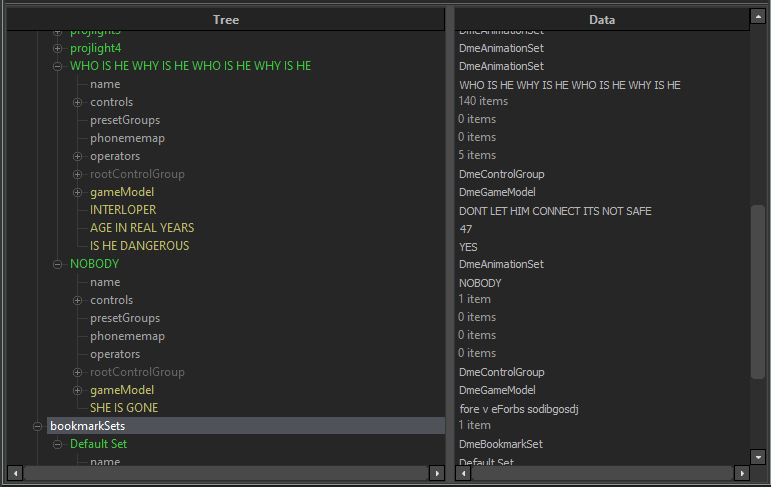
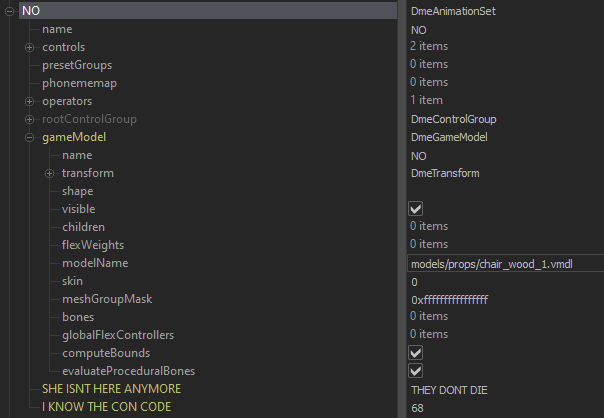
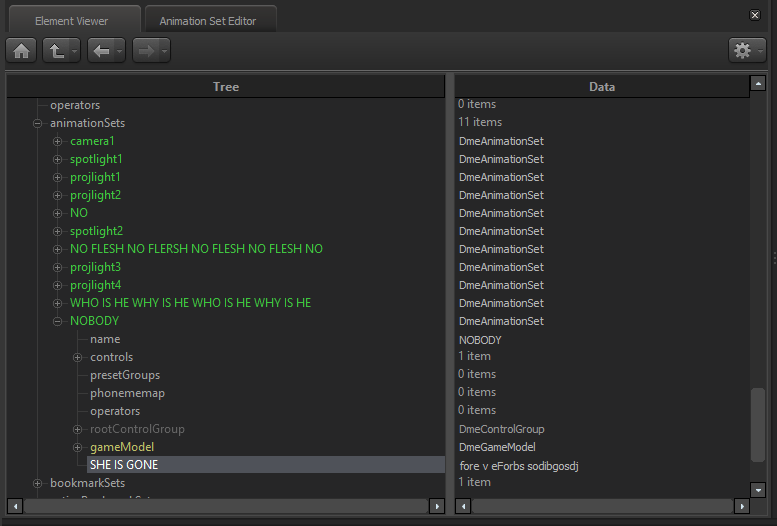
There’s been no mention of a CON code, nor has the answer to anything been 68. There’s been nothing in the series about “flesh”, and if these are source void natives it doesn’t make sense why that would matter. “fore v eForbs sodibgosdj” would look like garbage in a text editor but here it’s clearly an intentional value. I have no idea what it means.
Nobody in the series can be 47 years old. 1977 is exactly 47 years prior to 2024, which makes this sync with SILLY CONE HUNT, but not in a way that makes any sense. And definitely not in a way that made sense in 2022 when the SFM video went up.
Jman initials
Jman — the initial demonstrator of the Interlope command and Eida’s video partner — goes by <s.t>Jman in the original forum thread.
Two initials separated by a dot aren’t a standard way of writing initials in any locale. It’s seen very frequently in Interloper though: with FSKY staff. “A.Y”, “G.E”, “J.J” are all referenced in text inserted into FSKY files, and a character as pivotal as Jman having a reference is a red flag that hasn’t gone anywhere.
Skybar
During Skycrash, the pink crowbar changes colors several times in rp_christmastown and axlvote.
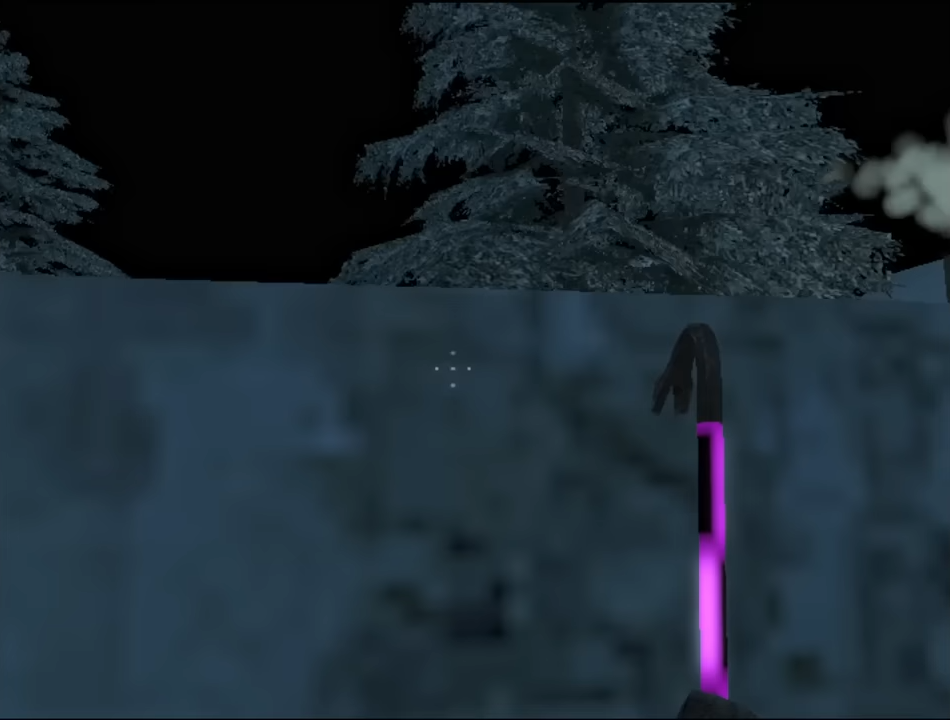
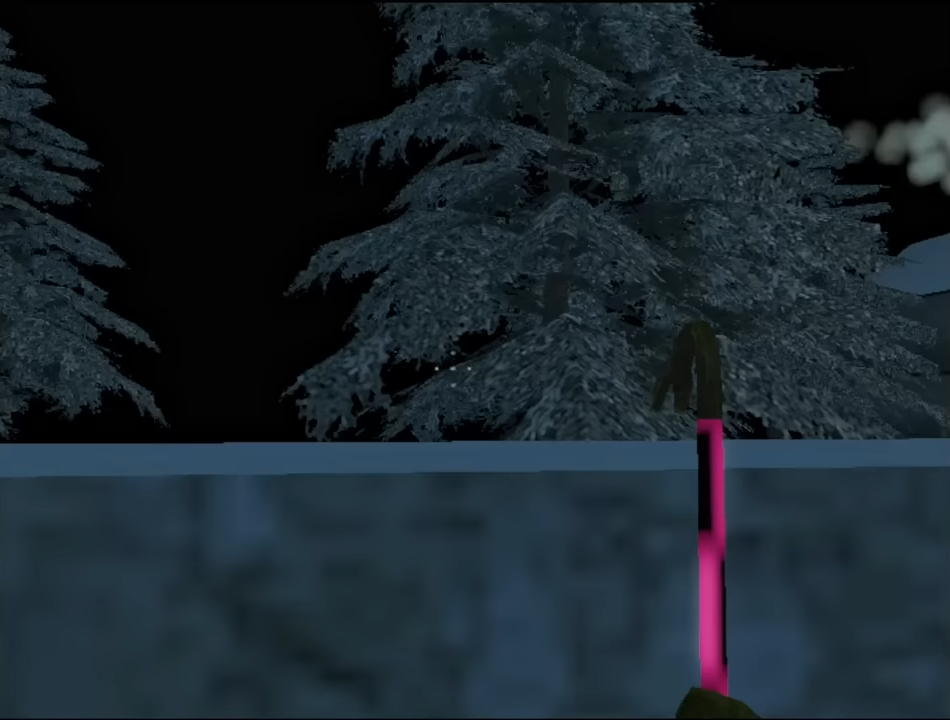
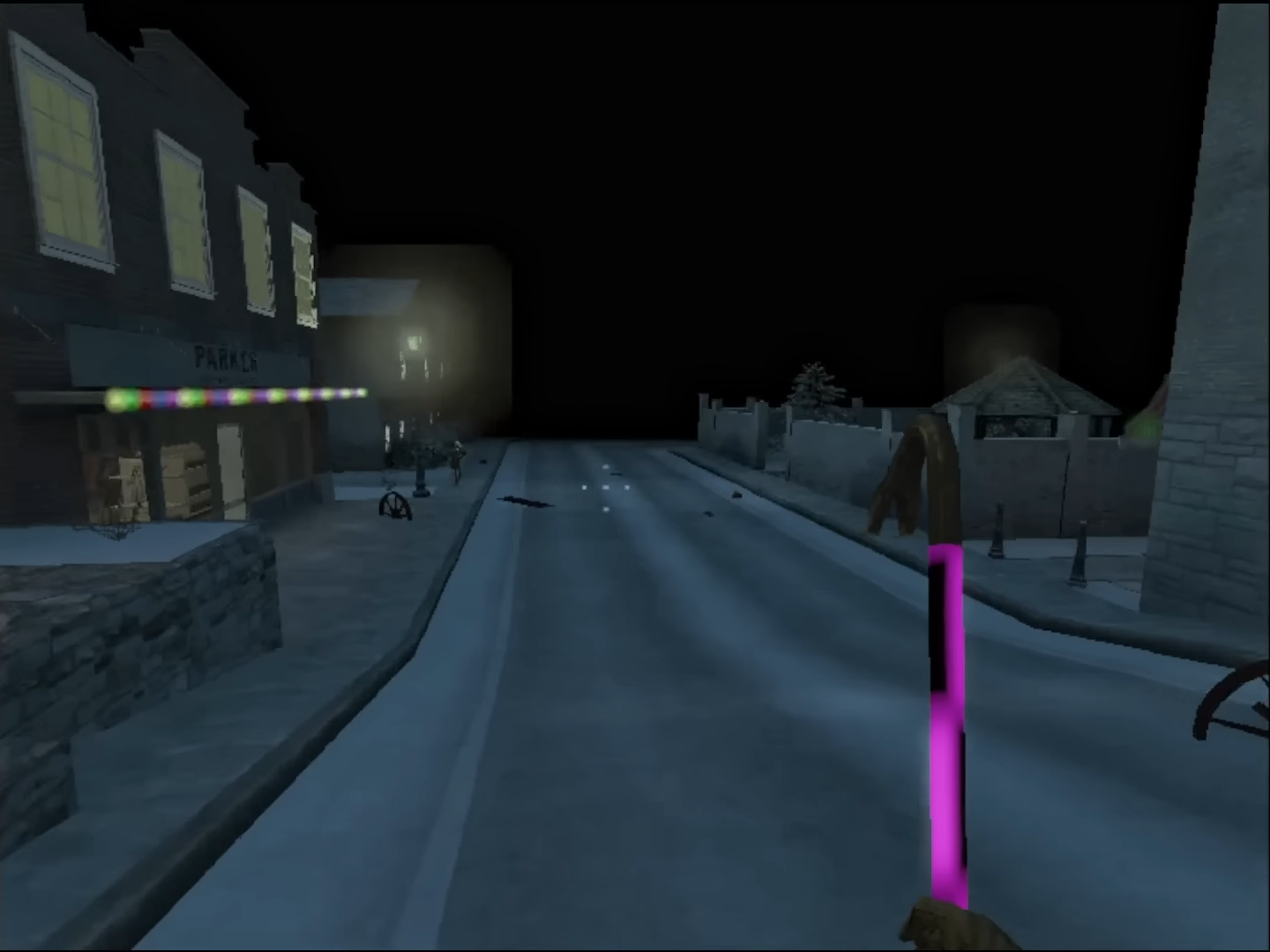
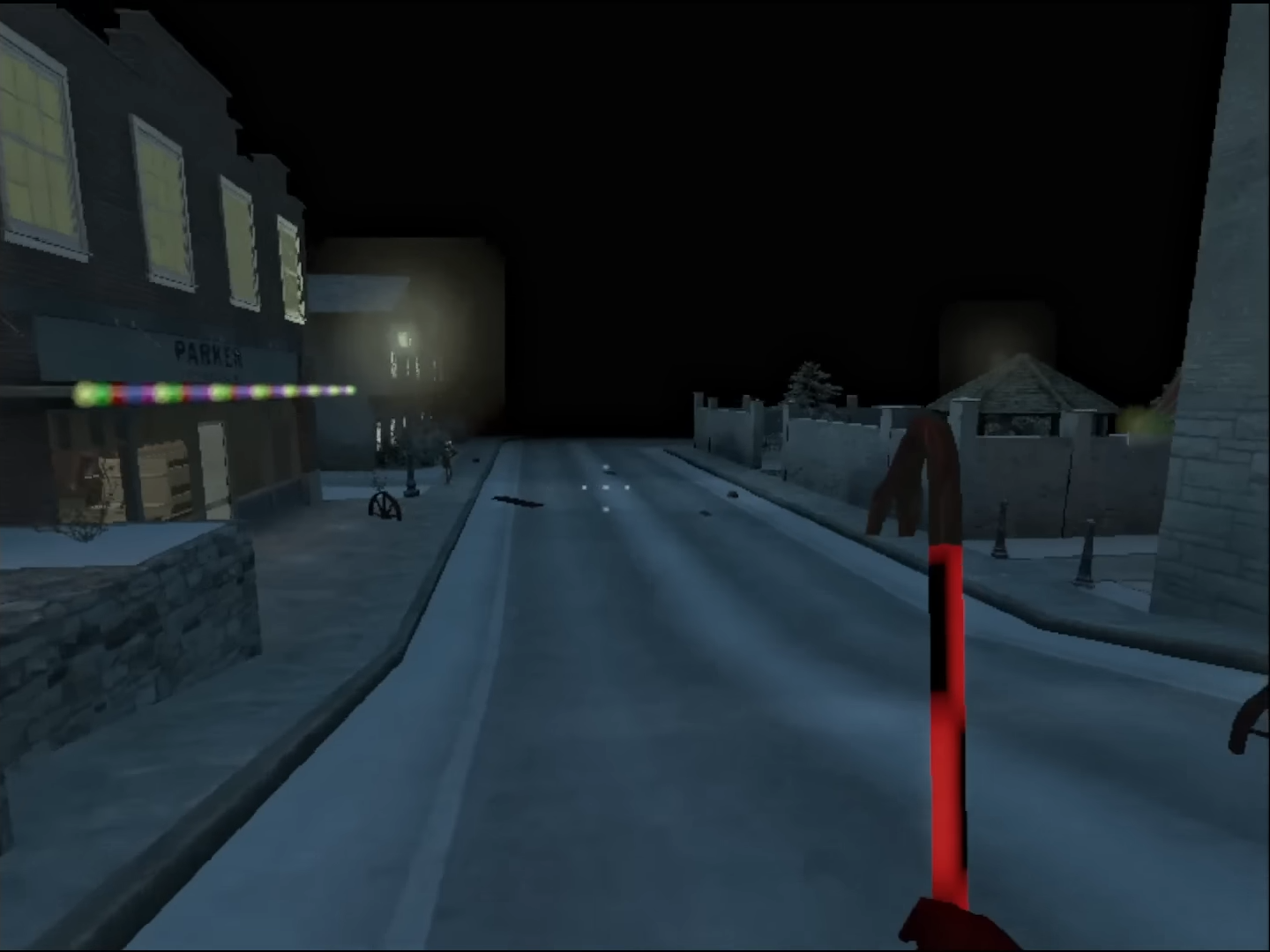
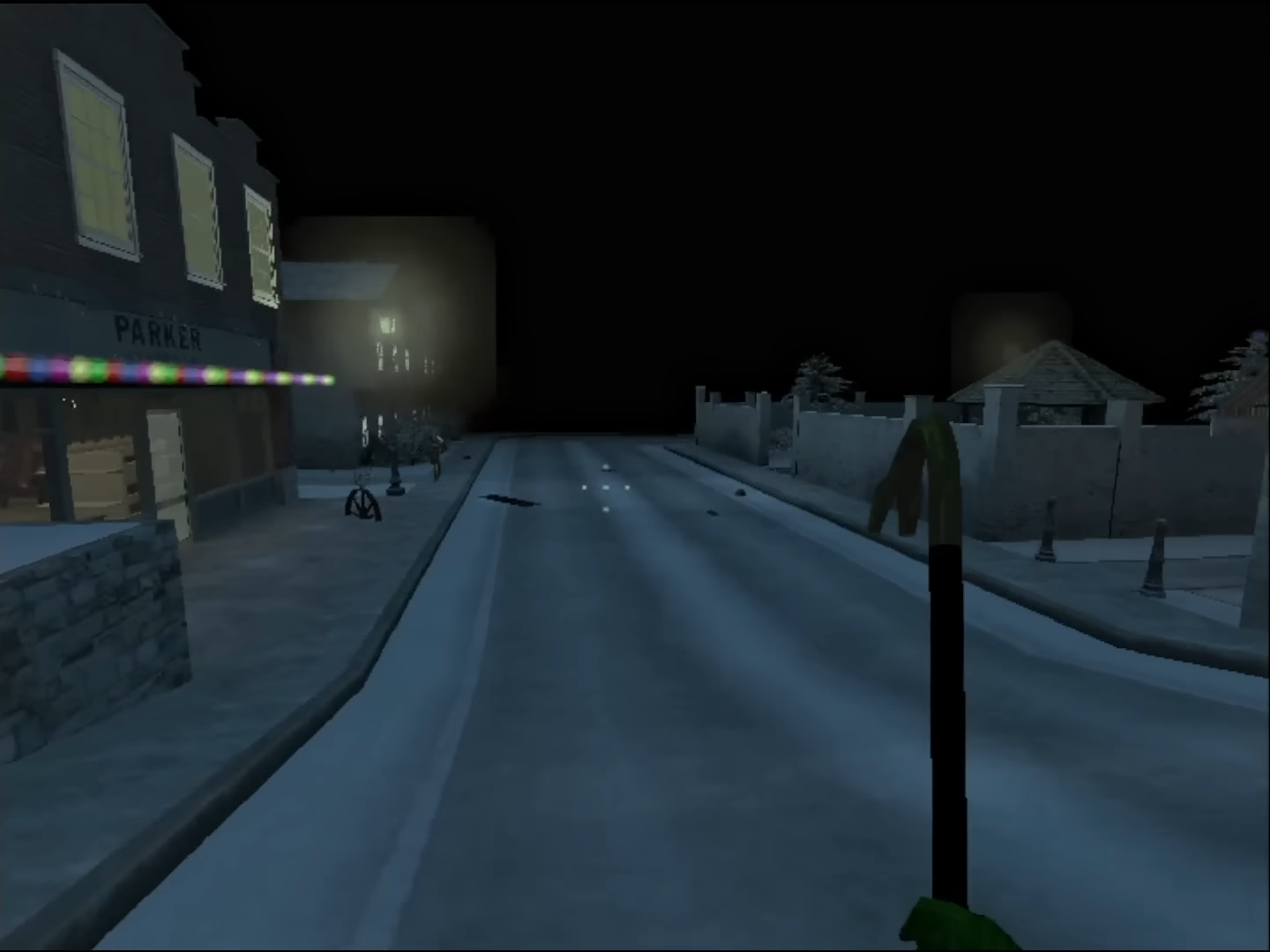
I’ve seen people try to write this off as shading, except that doesn’t make any sense. In real life the pink missing textures checkerboard isn’t shaded because it’s needs to stand out and can’t be allowed to “disappear” like it does in Skycrash. And in christmastown this happens in a wide-open area where there wouldn’t be anything like a vizleaf seam.
Prosaic
20140920 PROSAIC [Saxxy Awards 2014 Entry] (2021) is supposedly a reupload of a Columbidae Saxxy entry from 2014. There’s something weird here but I’m not sure what.
This is the only video on Saxxy Awards Archives, which looks like a single-purpose channel created during the timespan of the ARG. It’s notably absent from both the canonical list of 2014 Saxxy entries and Columbidae’s own The Saxxy Awards - Complete Collection playlist. But it does appear in 10 Years of improvement in 30 Seconds backdated to 2014… but that compilation actually released in 2022, a year after this “reupload”.
Maybe this was a dropped thread, or it could still be planned as part of a future project.
(and there’s more but I promised to restrain myself)
Expectations
All that to say, I think Interloper is phenomenal, and I still catch myself trying to tease out these fascinating little threads.
In writing this I’m reminded of my writing from the beginning of the year about Murder Drones, and superficially similar objections I had to a lack of mechanical consistency. It’s even the same bad triangle. Unlike Murder Drones though I don’t think Interloper’s “inconsistencies” make it weak, only different from the puzzle I found myself expecting.
When the series “fails”, it’s because it’s failing to meet an expectation. And it can be very easy to expect Interloper to be something it’s not, especially as it shifts in tone from horror to science to ARG to memoir. But if you’re eager for it to be what it is, and you follow the subtle paths it traces, it’s a really special thing.
And it’s special because of how well it does these two things: the realness of the practical effects in source and the richness of the subtext embedded in technical details.
One last thing
I have come through the other side enlightened. The cones, they are silly. Appreciating Interloper means understanding the incredible detail and artistry of the thing, and going hehe im interloping regardless.
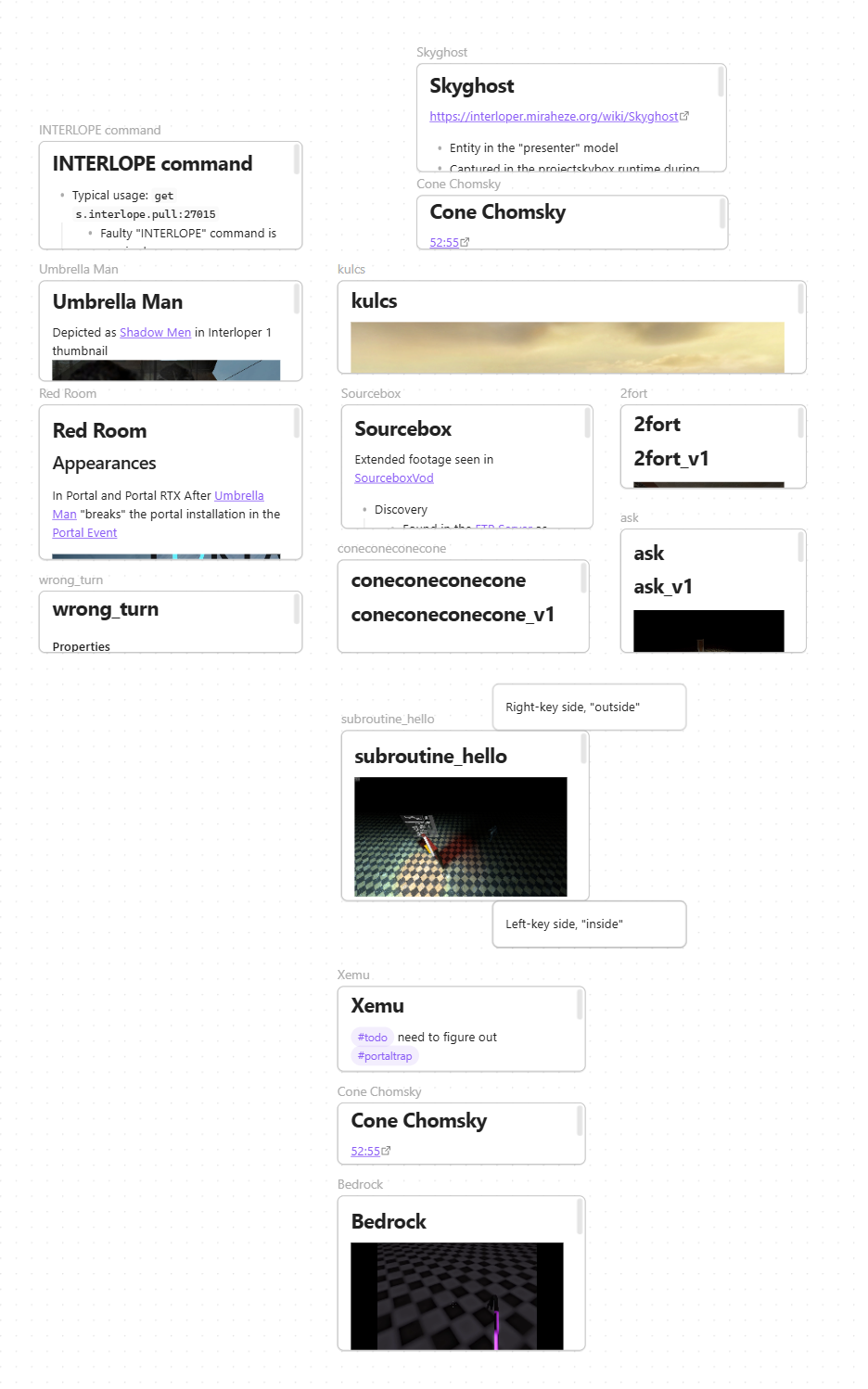
Anyway, feel free to flip through my (still half-finished) notebook from when I was trying to construct a grand unified solution to everything. It’s been an enormous project compiling it, and maybe it’ll help illuminate the interconnected beauty of the Interloper world.
https://stash.giovanh.com/interloper-obsidian/videotable.html
(Unfortunately Obsidian does not support all the features I used in the web export.)
There’s a lot here that probably ought to be merged into the main wiki....
Related Reading
-
I know I’m supposed to be thriving after the Homestuck divorce but if I said the trickshot sequence wasn’t a Homestuck flash, I’d be lying. We all just have to live with that. ↩
-
“Misty has been found” doesn’t count. ↩